Sorry, www.ridge.co.uk is not supported by Internet Explorer.
Sorry, www.ridge.co.uk is not supported by Internet Explorer.


When you’re delivering the industrial future, projects tend to be fast-paced and very fluid.
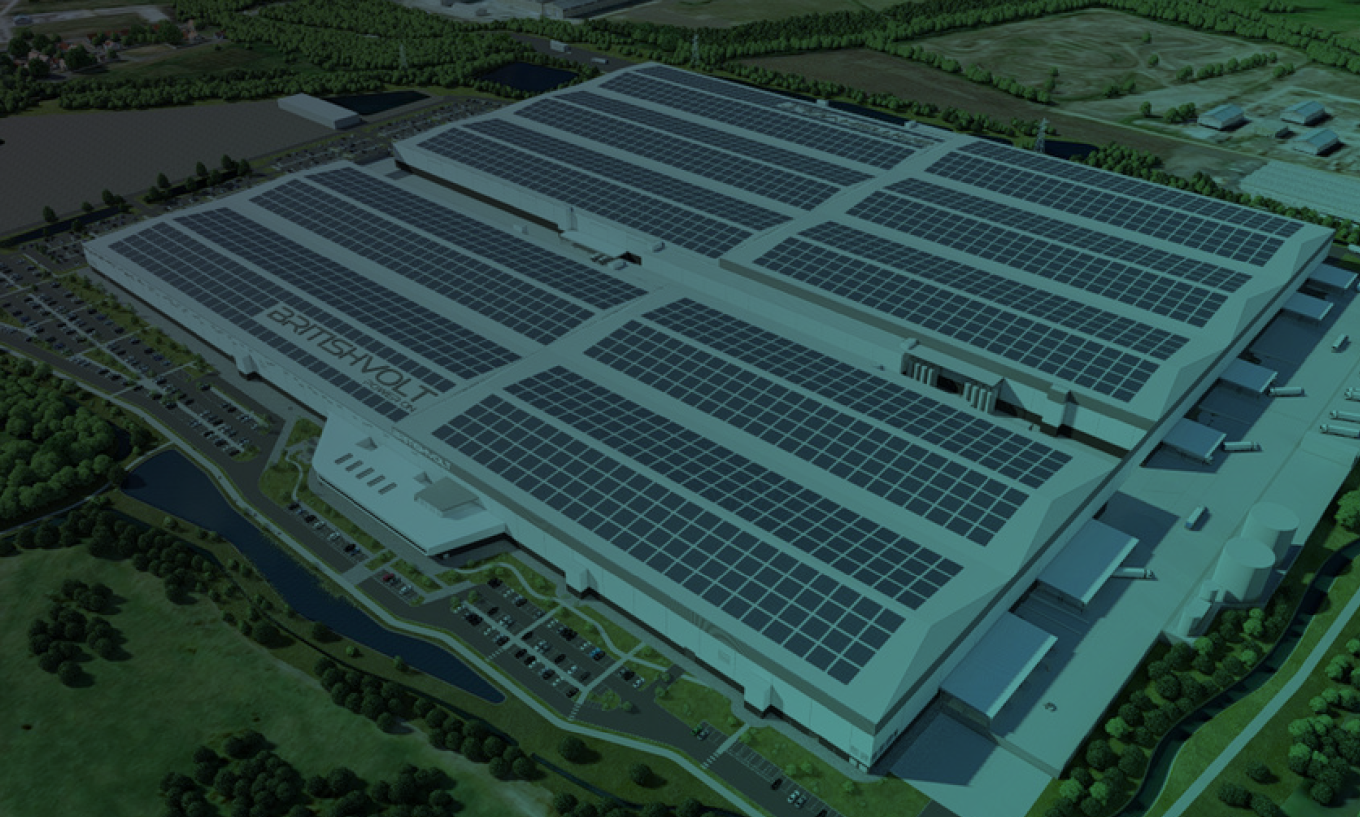
This is especially the case for the UK’s battery ecosystem. Ridge is involved in delivering a diverse range of related facilities for clients including Agratas, Britishvolt and UKBIC, spanning advanced manufacturing, research, testing, and all of the supply chain to support it.
What they all have in common is that battery technology is developing rapidly, and industrial processes are still evolving. At the same time, success hinges on speed to market and keeping costs competitive. This is especially the case for our gigafactory clients. They are often start-ups experiencing exponential growth, but will not begin generating revenue until their facilities are operational.
Against this backdrop, project managers have to step up. Strong, transparent governance is not only essential for a successful delivery, but for reassuring investors along the way. It’s also critical for generating interest among the limited pool of main contractors who can take on buildings of this complexity and scale.
It’s our role to demonstrate that the design and the cost plan is robust, and that it can be completed on time and budget. Here are five strategies for effective governance on battery ecosystem projects.
Fast-growing organisations typically do not have governance structures already in place, and their corporate culture is yet to be established. People may not be used to working together, or have the confidence or familiarity to address challenging decisions. So, as project managers, we bridge those gaps and facilitate engagement between different departments. We typically take on a lot more accountability and ownership, and we’re more proactive – we can’t afford to be reactive when we’re delivering at such a fast pace.
Projects for start-ups begin with a blank canvas in more ways than one. We don’t just make a plan for delivering the project, but for establishing the governance structures to support it. It’s not feasible to put everything in place on day one, so we set out what needs to happen within the first 30 days, the first 100 days, the first six months and a year down the line. That way, we’re able to demonstrate a steady development of governance structures, to reassure investors, contractors and vendors that the risks are well managed.
On large, complex programmes of work, it helps to start with the deliverables and work backwards. We map out a workstream structure, identify who has ownership of each one, who needs to contribute, the interfaces between them, and how they provide visibility. Then we set up a centralised programme management office (PMO) to oversee each workstream’s activities and actions, and hold monthly surgeries. Governance essentially becomes the heart of the project.
Clients will be focusing on how quickly the building can be operational and the industrial processes taking place within it, but they won’t necessarily be aware how design changes can impact delivery. We establish systems for managing change upfront, so that we can circle back without unnecessary costs and delays if the parameters shift. By being clear about what decisions are needed and when – and the consequences if deadlines are missed – we set the team up to succeed and focus attention where it’s needed.
It’s not enough to have good governance in place – we also have to communicate it to senior executives, investors, funders and other external stakeholders in a succinct, impactful way. Details matter, so every meeting will be run in the same way, and minutes and actions will be produced in a consistent format. Demonstrating good governance is much more powerful than just talking about it: investors at a board meeting may not want to read all of the detail in a comprehensive monthly report, but it functions as a visible, high-quality showcase that the project is being managed effectively.
At Ridge, we’ve found these strategies to be invaluable on battery ecosystem projects, implemented in close partnership with our clients and multidisciplinary colleagues. But we’ve also applied them on a range of other advanced industrial and scientific facilities too – any large, complex building where change is a constant and there’s no time to spare.
With the UK’s Net Zero goal now just 25 years away, much of the infrastructure of the energy transition and the next industrial revolution is still to be developed. Project managers will have a crucial role to play in ensuring the UK can deliver on its potential, and take its place in the industrial future.
Matt Summerill and Roger Sandell are both Partners in Project and Programme Management and Ashley Pogson is a Senior Associate Project and Programme Manager at Ridge.
Contact them on: MSummerill@ridge.co.uk, RSandell@ridge.co.uk and ashleypogson@ridge.co.uk

Thank you for signing up. We look forward to sharing updates with you